
Healthcare with Confidence

Brain Surgery in Israel: Advanced, Innovative, and Conservative Methods
If you’ve been recommended brain surgery, you may have questions: Is surgery really necessary? Can a brain tumor or disease be treated without surgery? Which neurosurgeon is best for me?
In Israel, your case will be reviewed by an experienced neurosurgeon, neuro-oncologist, radiologist, and other specialists.
The goal is not only to perform the surgery but also to choose the safest and most effective treatment plan—whether that means advanced surgery, radiosurgery, medications, or close monitoring.
⇓ Below, you can find more detailed information about Israel’s leading neurosurgeons and consult with the Director of the Neurosurgery Center.
Brain Surgery in Israel
Tumor Removal Surgeries
- Brain tumor removal is a surgical procedure for glioma, glioblastoma, meningioma, metastases, astrocytoma, oligodendroglioma, and other tumors.
- Awake brain surgery is used when the tumor is located near the speech, movement, or vision areas. You will be awake during part of the surgery so doctors can monitor important brain functions.
- Craniotomy is an open procedure in which a neurosurgeon removes a tumor, hematoma, vascular malformation, or other lesion.
- Endoscopic surgery is a minimally invasive procedure using a camera and fine instruments, often used for ventricular tumors, cysts, hydrocephalus, and some skull base tumors.
- Endonasal surgery is an approach through the nose, most often used for pituitary tumors and some skull base tumors.
- Stereotactic brain biopsy is the removal of a tumor tissue sample for accurate diagnosis when complete removal is impossible or too risky.
- Stereotactic radiosurgery / Gamma Knife / SRS is a treatment that uses precise beams of radiation to target a tumor, metastasis, AVM, or other lesion in the brain.
Surgeries for cerebral vascular diseases
- Aneurysm clipping is an open surgery in which a special clip is placed on the aneurysm.
- Endovascular aneurysm treatment is treatment through a vessel, without open cranial surgery; it may include coiling or stenting.
- Arteriovenous malformation (AVM) removal is a surgical procedure for a vascular lesion in the brain.
- Cavernoma removal is a surgical procedure for a vascular malformation that can cause hemorrhages or seizures.
Surgeries for epilepsy and functional disorders
- Surgery for drug-resistant epilepsy involves removing the area of the brain where seizures begin.
- Brain mapping is a surgical or intraoperative assessment of important areas of speech, movement, and sensation, often performed before epilepsy or tumor surgery.
- Deep Brain Stimulation (DBS) is the implantation of electrodes into specific areas of the brain; it is used for Parkinson’s disease, essential tremor, dystonia, and sometimes epilepsy.
Before making a decision, our doctor will review the results of MRI, CT, PET-CT, pathological studies, molecular tests, neurological symptoms, and your overall condition.
Innovations in Neurosurgery in Israel
Today, neurosurgery is significantly more precise than in the past. Neurosurgeons use cutting-edge technologies to improve safety and protect important brain functions.
These include neuronavigation, functional MRI, intraoperative monitoring, brain mapping, modern surgical microscopes, endoscopic techniques, and, in some cases, awake brain surgery.
Awake craniotomy allows doctors to monitor speech, movement, and other important functions during surgery, especially when the tumor is near sensitive areas of the brain.
For certain brain tumors, intraoperative MRI can help the surgeon verify the results during surgery and identify any residual tumor tissue while the operation is ongoing.
Conservative and Non-Surgical Treatments
Not every condition requires immediate surgery. In some cases, a conservative approach may be appropriate and safer.
A personalized treatment plan for you
Your treatment plan depends on many factors: the type of tumor or disease, its location, size, growth rate, your symptoms, age, general health, and previous treatments.
A young person with a low-grade glioma may require a different treatment strategy than someone with brain metastases, meningioma, pituitary adenoma, or glioblastoma.
That’s why a second opinion from a leading Israeli neurosurgeon can be so important.
It will help you understand:
- Whether surgery is truly necessary
- What type of surgery is recommended
- What are the risks associated with surgery
- Whether awake surgery, endoscopic surgery, radiosurgery, or observation are right for you
- What will your recovery be like
- Are there any additional options available in Israel?
- Why choose surgery in Israel?
Israel is known for its advanced neurosurgery, experienced specialists, modern MRI techniques, and a multidisciplinary approach to treatment.
Israeli hospitals combine neurosurgery with neuro-oncology, radiology, pathology, rehabilitation, and intensive care, which is especially important in complex cases.
This means that decisions are made using a variety of approaches.
Your case is assessed from multiple medical perspectives to select the treatment that best balances tumor control, safety, and quality of life.
If you or a loved one has been diagnosed with a tumor or other brain disease, you don’t have to make this decision alone.
Contact us today to choose the right doctor, understand your options, and receive a clear treatment plan in Israel.
 Professor Zvi Ram
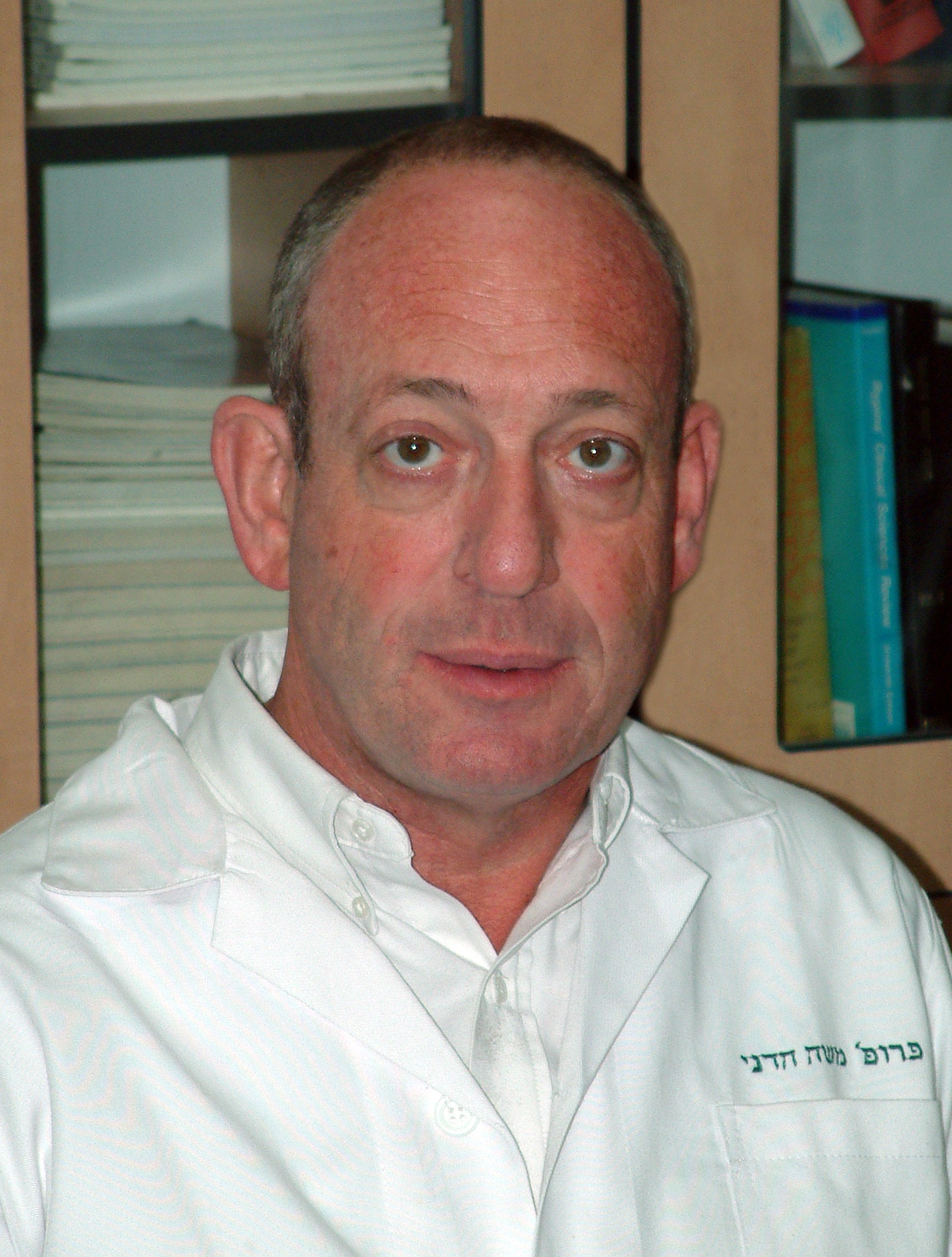 Professor Moshe Hadani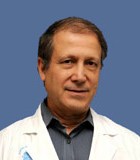
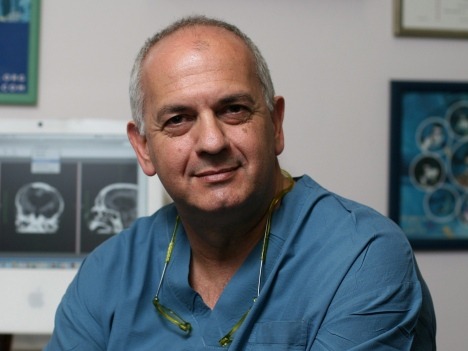 Professor Shlomo Constantini