
Healthcare with Confidence

Anaplastic Astrocytoma Treatment in Israel: Modern Methods, Accurate Diagnosis, and a Personalized Treatment Plan
A diagnosis of anaplastic astrocytoma is alarming, and you may have many questions: how dangerous is it, is surgery necessary, can speech and movement be preserved, what treatment is truly necessary, are there new methods in Israel, and should you get a second opinion?
Что важно знать: сегодня лечение опухолей головного мозга стало более точным.
What’s important to know: Brain tumor treatment has become more accurate today.
Doctors evaluate not only MRI and the tumor’s appearance under a microscope, but also molecular markers such as IDH, ATRX, TP53, MGMT, 1p/19q, and others. Marker analysis helps understand the tumor’s behavior and choose the right treatment strategy.
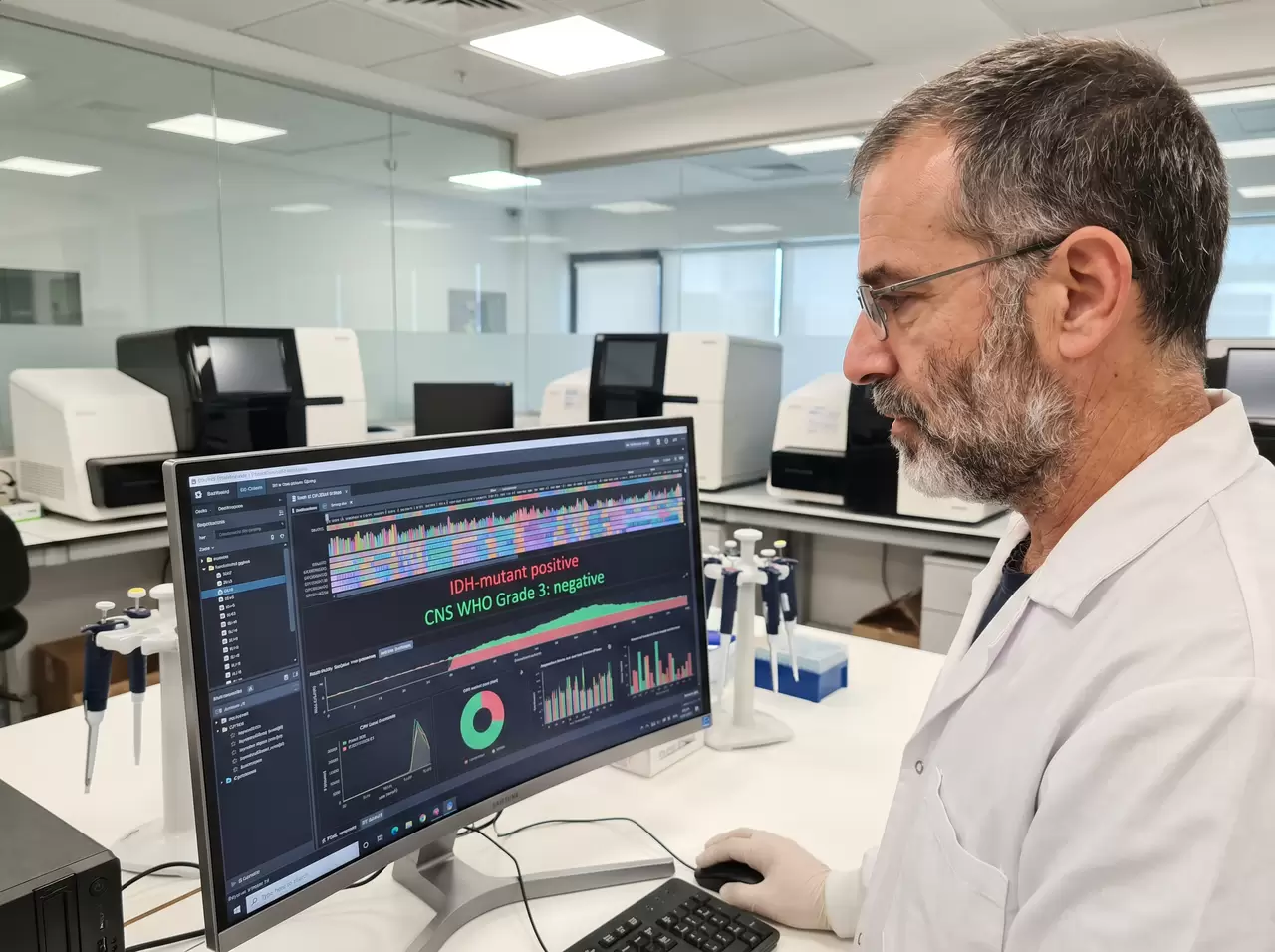
If your diagnosis is labeled “anaplastic astrocytoma,” an Israeli specialist will usually clarify whether it is truly an IDH-mutant astrocytoma, CNS WHO grade 3, or whether the tumor has other molecular features and requires a different approach.
What is anaplastic astrocytoma?
Anaplastic astrocytoma is a malignant glial brain tumor that develops from astrocytic cells. It is classified as a high-grade tumor, but its prognosis and treatment depend heavily on its molecular profile.
Why is it important to get a second opinion for astrocytoma in Israel?
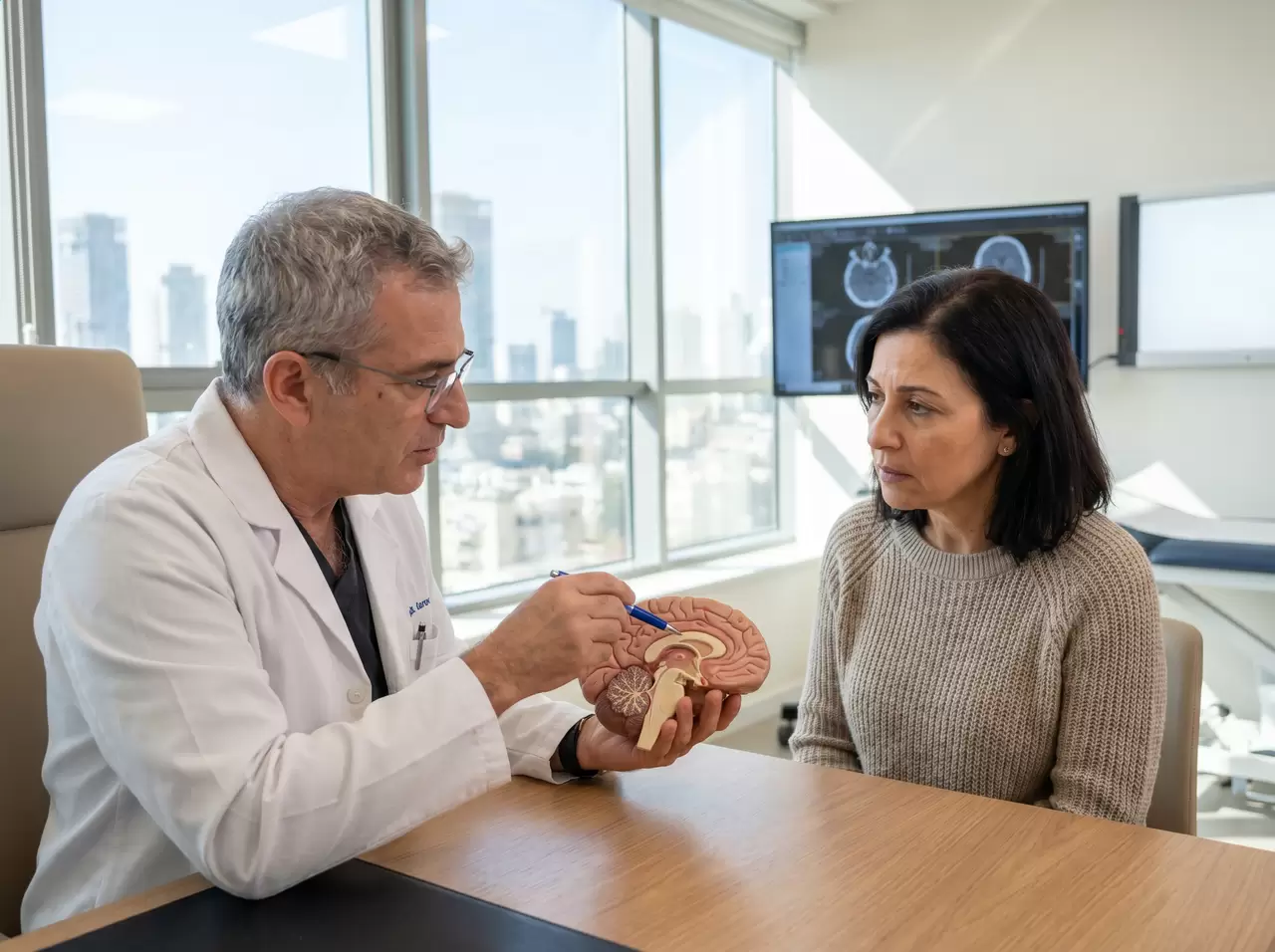
With anaplastic astrocytoma, a decision cannot be made based on just one image or a brief report. A proper treatment plan requires answering several questions:
- Can the tumor be removed safely? Sometimes the tumor is located near areas of speech, movement, vision, or memory. In these cases, the surgeon’s goal is to remove as much tumor tissue as possible while preserving your quality of life.
- Is a repeat pathology examination necessary? A brain tumor diagnosis should be confirmed by an experienced neuropathologist. Sometimes, a review of the slides and molecular analysis can clarify the diagnosis.
- What is the best treatment regimen after surgery? Radiation therapy and chemotherapy are typically considered, but the regimen depends on the tumor type, mutations, age, overall health, and residual tumor volume.
- Is there access to new treatments or clinical trials? In some cases, our neuro-oncologist may consider additional options, including modern medications or participation in trials if these are appropriate for you.
Diagnostics in Israel: What is tested before treatment
Before starting treatment, it is important to obtain the most accurate picture possible. In Israel, diagnostics may include:
- MRI of the brain with contrast. This is the primary method for tumor assessment. The doctor evaluates the tumor’s size, location, swelling, contrast uptake, and its relationship to important areas of the brain.
- Functional MRI and tractography. This helps determine the location of speech and movement areas and important nerve pathways.
- Review of biopsy or surgical specimens. If surgery or biopsy has already been performed, slides and blocks can be sent to Israel for review. This helps clarify the diagnosis and avoid incorrect treatment strategies.
- Molecular testing. For astrocytoma, the following are particularly important: IDH1/IDH2, ATRX, TP53, MGMT methylation, 1p/19q co-deletion, CDKN2A/B; expanded NGS testing if necessary.
These tests help understand how sensitive the tumor is to certain treatments and what options can be considered in the event of a relapse.
Treatment of Anaplastic Astrocytoma in Israel
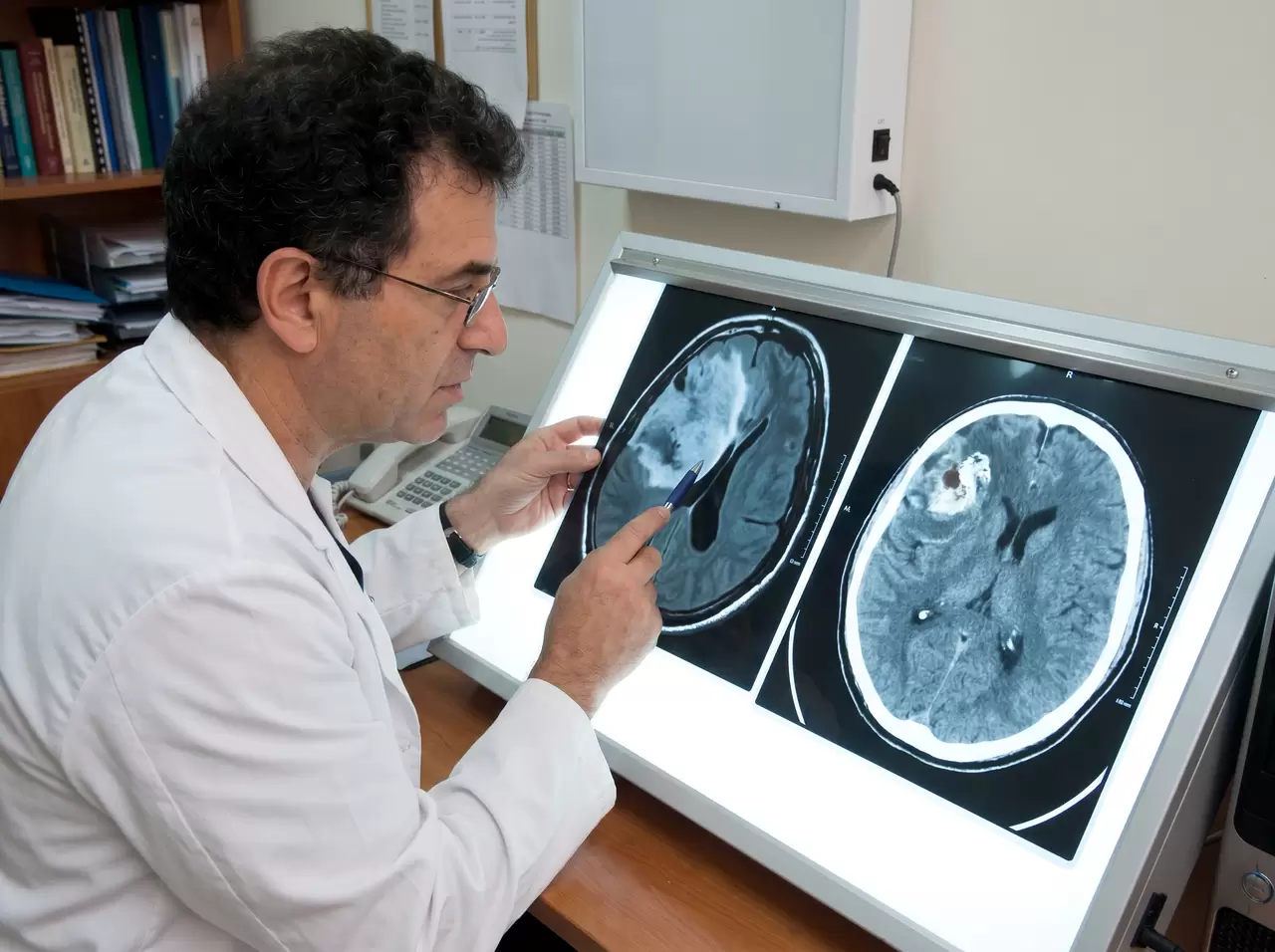
Treatment is usually planned by a team of specialists: a neurosurgeon, a neuro-oncologist, a radiation therapist, a neuroradiologist, and a neuropathologist. The goal is not simply to “treat the tumor,” but to develop a plan that takes into account your specific situation, your risks, and your life after treatment.
1. Neurosurgery: Maximizing Safe Tumor Removal
If the tumor can be removed, surgery is often the first stage of treatment. The main goal is to remove as much tumor tissue as possible without damaging important brain functions.
In Israel, modern technologies can be used in brain tumor surgeries:
- Neuronavigation. This is a system that helps the surgeon navigate the brain during surgery using MRI and CT data.
Intraoperative MRI. In some cases, an MRI is performed during surgery. This helps determine whether any tumor remains and determine whether the removal can proceed safely. - Awake craniotomy. If the tumor is located near speech or movement areas, the surgery can be performed while you are awake. During part of the surgery, you can perform simple tasks such as speaking, counting, and moving your arm. This helps the surgeon monitor brain function in real time. For many people, this sounds scary, but in practice, this type of surgery is performed under anesthesia and is used specifically to reduce the risk of neurological complications.
- 5-ALA fluorescence guidance. A special substance may be used before surgery that helps tumor cells “glow” under a special microscope. This can help the surgeon better distinguish tumor tissue from healthy tissue.
- Intraoperative neuromonitoring. During surgery, important nerve functions are monitored to reduce the risk of damage to speech, movement, or sensation.
2. Radiation therapy
Radiation therapy is often required after surgery for anaplastic astrocytoma. It is aimed at destroying any tumor cells that may remain in the brain tissue.
In Israel, modern radiation planning methods can be used:
- IMRT;
- VMAT;
- Stereotactic radiotherapy in selected cases;
- Precise 3D planning using MRI and CT;
- Protection of healthy tissue as much as possible.
Radiation therapy is usually administered in a course. The duration and dose are determined by the radiation therapist after assessing the diagnosis, surgery, MRI, and overall patient condition.
3. Chemotherapy
Temozolomide, a drug used for glial tumors, is often used. It can be administered after radiation therapy or as part of a combination plan.
The decision depends on the tumor’s molecular profile, MGMT status, surgical extent, age, neurological status, previous treatments, and tolerability of therapy.
Other regimens may sometimes be considered, but they are chosen on an individual basis.
4. Conservative and Gentle Approaches
It is not always possible or appropriate to immediately proceed with major surgery. If the tumor is located in a high-risk area, the doctor may suggest a more gentle approach:
- Stereotactic biopsy instead of open surgery;
- radiation therapy and chemotherapy without radical resection;
- medication for symptoms;
- anticonvulsant therapy;
- treatment of cerebral edema;
- observation with MRI guidance in rare and strictly selected cases.
Important: For stage 3 tumors, simple observation is usually not the standard approach. However, sometimes a doctor may recommend temporarily withholding surgery if the risk is too high or additional data is needed.
5. New Methods and Clinical Trials
New approaches to glioma treatment are being actively studied:
- IDH inhibitors;
- Targeted drugs;
- Immunotherapy in clinical trials;
- Vaccine approaches;
- Viral therapy;
- CAR-T and cell technologies for specific tumor types;
- Personalized treatment based on NGS.
It’s important: not every new method is suitable for anaplastic astrocytoma, and not every one is available outside of a clinical trial. Therefore, Israeli neuro-oncologists don’t promise a “miracle cure,” but rather evaluate whether you have realistic additional options.
What if the tumor has already been operated on?
If surgery has already been performed in your country, you can still get a second opinion in Israel. The doctor will evaluate:
- Whether the tumor was completely or partially removed;
- Whether there is residual tumor;
- Whether the diagnosis is correct;
- Whether the pathology needs to be reviewed;
- What treatment plan is needed now;
- Whether a repeat surgery is advisable;
- How often should a follow-up MRI be performed;
- What to do if there are signs of recurrence.
Sometimes a second opinion helps confirm the proposed plan. Sometimes, it can help change the treatment and avoid unnecessary risks.
Questions to ask your doctor
Before treatment, it’s important to get clear answers:
- Can the tumor be removed completely or only partially?
- How dangerous is the surgery for speech, movement, and memory?
- Is awake surgery necessary?
- Is an intraoperative MRI necessary?
- What molecular markers have already been tested?
- Should the biopsy be reviewed?
- What treatment regimen is recommended after surgery?
- How long does radiation therapy last?
- What chemotherapy is required, and how is it tolerated?
- What signs of recurrence should be monitored?
- How often should an MRI be performed?
- Can clinical trials be considered?
- Does coming to Israel for surgery or treatment make sense?
- Why treatment in Israel may be important for you
In Israel, brain tumor treatment is often performed in large medical centers, where teams of neurosurgeons, neuro-oncologists, radiation therapists, neuroradiologists, and pathologists work together. This approach is especially important for complex diagnoses, when the decision depends on many details.
For you, this means a more precise treatment plan: not just “surgery” or “chemotherapy,” but a strategy based on the tumor’s location, molecular markers, risks, and your personal goals.
A Consultation with an Israeli Doctor: The First Step to a Clear Plan
If you or a loved one has been diagnosed with anaplastic astrocytoma, don’t be left alone with anxiety and complex medical terms. You can consult with an Israeli neurosurgeon or neuro-oncologist, understand your realistic treatment options, and decide whether to travel to Israel for surgery, radiation therapy, chemotherapy, or a reassessment.
We will help you gather documents, send MRI and medical reports to a specialist, obtain a professional opinion, and, if treatment in Israel is recommended, organize the next step.
Contact us to receive a consultation with an Israeli doctor regarding the treatment of anaplastic astrocytoma. You will receive a clear explanation of your diagnosis, possible treatment options, and a personalized action plan—from diagnosis to treatment in Israel.
FAQ: Frequently Asked Questions about Anaplastic Astrocytoma Treatment
Can anaplastic astrocytoma be completely cured?
The prognosis depends on the tumor’s molecular type, the extent of removal, age, general condition, and response to treatment. It’s important not to rely solely on the diagnosis. The IDH status, MGMT, MRI, and histology should be assessed.
Is surgery always necessary?
Not always. If the tumor is located in a dangerous area, the doctor may recommend a biopsy, radiation therapy, chemotherapy, or another approach. However, if the tumor can be safely removed, surgery is often an important step in treatment.
What does “maximal safe removal” mean?
This means that the surgeon tries to remove as much of the tumor as possible, but not at any cost. Preserving speech, movement, vision, and quality of life are important components of successful treatment.
Can treatment be achieved without surgery?
Sometimes yes, especially if surgery is high-risk. But to choose a treatment, the doctor still needs an accurate diagnosis, often a biopsy or a review of the existing tissue.
Is chemotherapy necessary after surgery?
In many cases, yes. However, the decision depends on molecular markers, the surgical outcome, and the neuro-oncologist’s recommendations.
Can I come to Israel just for a consultation?
Yes. You can start with an online consultation or a second opinion. Afterward, the doctor will determine whether it is necessary to come to Israel for surgery, treatment, or additional diagnostics.
What if the tumor returns?
If a recurrence occurs, the MRI, previous treatment, pathology, and molecular tests must be reviewed. Reoperation, repeat radiation therapy in certain cases, drug therapy, or clinical trials may be considered.
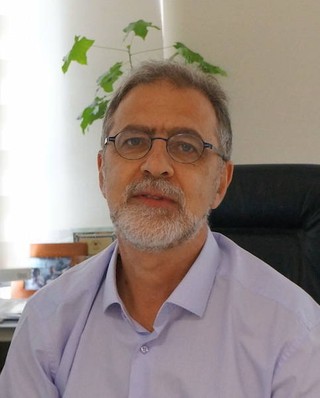
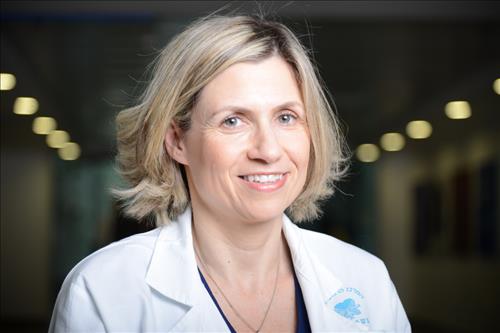
 Professor Zvi Ram
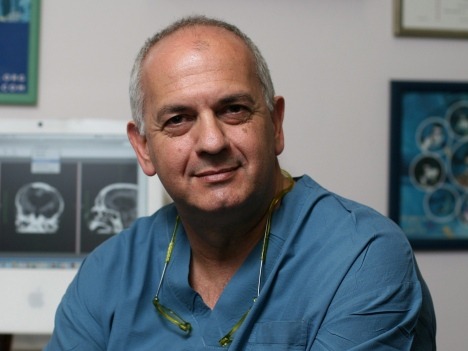 Prof. Shlomo Constantini