
Healthcare with Confidence
Pancreatic Cancer Treatment in Israel: Advanced Surgery, Targeted Therapy, and Personalized Care for International Patients
Pancreatic cancer is found mostly in the later stages. However, in recent years Israeli research and clinical experience have shown that some pancreatic tumors respond to new targeted and biological drugs, which can optimize treatment and reduce side effects in selected patients.
This page focuses on practical information: how pancreatic cancer is diagnosed and treated in Israel today, what innovative options are available today, and why many international patients choose to come to Israel for care.
The Pancreas: Location and Why Tumor Location Matters
The pancreas is part of the digestive system. It is located in the upper abdomen, in front of the spine, and is about 15 cm long. The pancreas has three parts: head, body, and tail. Tumors in different areas may require different surgical approaches and can affect treatment planning.
Types of Pancreatic Cancer We Treat
Pancreatic cancer is classified by tumor location and cell type. Tumors can form in any part of the pancreas, but the most common malignant tumor (about 95%) is ductal adenocarcinoma, originating from the pancreatic ducts.
Other, less common pancreatic tumors include:
- Neuroendocrine tumors (NETs) (about 1–2%)
- Cysts (fluid sacs in the pancreas, some require monitoring or surgery)
- Acinar cell carcinoma (ACC)
- Lymphoma (rare tumors of pancreatic lymphoid cells)
⇒ Leading Doctors for Pancreatic Cancer – Consultation Online
Diagnosis of Pancreatic Cancer in Israel: What We Do First
In Israel, the diagnostic pathway is designed to be fast and stage-accurate—because treatment decisions depend on resectability (can we operate?), vessel involvement, and whether the disease has spread.
Core diagnostics may include:
- Abdominal ultrasound
- Endoscopic ultrasound (EUS) (often the most informative for tumor assessment and biopsy)
- CT scan with pancreas protocol (often in two phases: pancreatic + portal) to evaluate resectability and vessel involvement
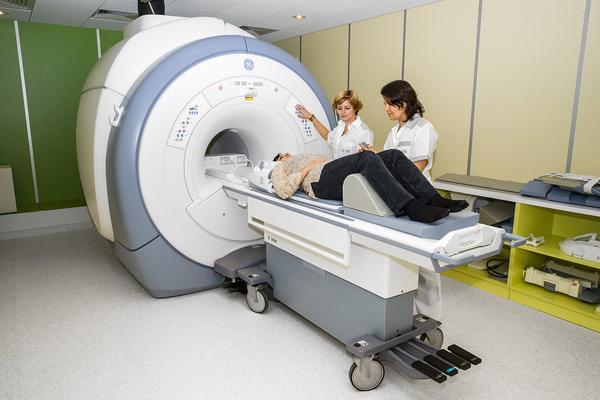
- MRI and MRCP (detailed biliary/pancreatic imaging)
- PET-CT (in selected cases for staging and unclear findings)
- ERCP mainly for drainage (stent) when needed, less often for pure diagnosis
- Biopsy (FNA/core) guided by EUS or CT when appropriate
We typically also use blood work and tumor markers (such as CA19-9) as part of diagnosis, prognosis, and treatment monitoring.
What international patients like about Israel’s approach:
imaging review by experienced GI oncology radiologists, quick staging decisions, and treatment planning by a multidisciplinary team.
Treatment of Pancreatic Cancer in Israel
The treatment method depends on health condition, age, tumor location, stage, and spread. Your Israeli doctor builds a plan based on full diagnostics and your goals.
A typical care team may include:
- GI oncologist
- Surgeon (HPB/pancreatic surgeon)
- Gastroenterologist
- Radiologist and radiation oncologist
- Endocrinologist
- Pathologist
- Supportive care specialists (and, if needed, oncology nurse, nutritionist, physiotherapist, social worker, psychologist)
Surgery in Israel: Curative and Advanced Options
For early-stage disease, the most effective treatment is often surgery to remove part or all of the pancreas, when the tumor can be removed safely and major blood vessels are not extensively involved.
Key surgical methods:
- Staging laparoscopy (helps determine the extent of cancer and operability before major surgery)
- Whipple procedure (pancreaticoduodenectomy) — the most common operation for tumors in the head of the pancreas
- Distal pancreatectomy (tail ± part of body; spleen is often removed)
- Total pancreatectomy (removal of the entire pancreas)
Innovations used in leading Israeli centers:
- More precise pre-operative planning using high-quality CT/MRI protocols
- Minimally invasive approaches (laparoscopic / selected robotic platforms) when appropriate
- “Enhanced recovery” pathways after surgery (earlier mobility, better pain control, faster rehabilitation)
- Complex surgical decision-making in high-volume teams, including selected vessel-related strategies (when feasible)
- Example of advanced surgical + ablative expertise in Israel includes specialized pancreatic cancer centers that note use of NanoKnife / IRE (Irreversible Electroporation) in selected cases.
- Palliative Procedures: Practical Support When Needed
Even when surgery is not possible, Israeli teams frequently use procedures to improve quality of life and enable systemic treatment:
- Stent placement (biliary drainage)
- ERCP
- PTC (Percutaneous transhepatic cholangiography)
- Bypass surgery (when obstruction prevents eating or bile drainage)
Chemotherapy: Standard Regimens and Approach
Chemotherapy remains one of the most common treatment options for pancreatic cancer and may be used:
- After surgery (adjuvant chemotherapy) to reduce relapse risk
- Before surgery (neoadjuvant chemotherapy) to reduce tumor size and improve resectability in selected patients
- For locally advanced or metastatic disease to control progression
- Common modern regimens include FOLFIRINOX (for suitable patients) and gemcitabine-based therapy, including gemcitabine + nab-paclitaxel as a widely used standard option in metastatic settings.
Israel’s practical advantage is fast protocol selection based on performance status, liver function, stage, and treatment goals—plus quick access to supportive care to help patients tolerate therapy.
Radiation Therapy and SBRT in Israel
Radiation is not used for every patient with pancreatic cancer, but it can be important for selected cases—especially locally advanced disease after induction chemotherapy.
Today many centers consider chemoradiation or SBRT for locally advanced pancreatic cancer when appropriate, as reflected in widely used patient guideline frameworks.
Targeted Therapy and Personalized Treatment
This is one of the biggest reasons international patients seek a second opinion in Israel.
Pancreatic cancer care increasingly depends on molecular testing (NGS and genetics) to identify:
- Candidates for targeted therapy
- Candidates for immunotherapy
- Eligibility for clinical trials
- Key targeted innovation: BRCA and PARP inhibitor maintenance
For patients with germline BRCA-mutated metastatic pancreatic adenocarcinoma whose disease has not progressed after platinum-based chemotherapy, olaparib (Lynparza®) is an FDA-approved maintenance option.
Immunotherapy for Pancreatic Cancer (Selected Patients)
Immunotherapy is not for every pancreatic cancer patient, but it can be highly meaningful for specific tumor biology.
Pembrolizumab (Keytruda®) may be used for MSI-H / dMMR tumors (tissue-agnostic indication, after prior treatment in many cases).
Israel’s approach this year: test early, so rare but actionable subtypes are not missed.
Why International Patients Choose Pancreatic Cancer Treatment in Israel
International patients come to Israel because they can receive:
- High-level pancreatic surgery and GI oncology expertise
- Rapid, coordinated diagnostics (CT pancreas protocol, EUS + biopsy, pathology review)
- Personalized treatment plans based on molecular profiling (targeted therapy, immunotherapy eligibility, clinical trials)
- A multidisciplinary tumor-board style strategy
- Online consultations and second opinions with written recommendations in English
Online Consultation and Second Opinion in Israel: What to Send
To receive a practical treatment plan, please send:
- CT/MRI/PET-CT reports + discs (DICOM if available)
- Pathology/biopsy report (histopathology)
- Discharge letters and treatments already received
- Blood tests (including liver function; CA19-9 if available)
- A short medical history and current medications
We will preliminarily check with the doctor whether the information is sufficient or if an additional examination is needed, and then coordinate an online consultation in the nearest days.
If you or someone close to you has been diagnosed with pancreatic cancer (any stage, any tumor localization), contact us for a professional second opinion in Israel.
We provide:
- Online consultation (Zoom / Skype / Viber / WhatsApp)
- Treatment planning with leading Israeli pancreatic cancer specialists
- Written doctor’s report in English with clear next steps
Send your medical reports today and receive an updated treatment strategy—including surgery options, chemotherapy planning, targeted therapy, and immunotherapy eligibility.