Healthcare with Confidence
Advanced Medicines, Personalized Therapy, and Leading Sarcoma Specialists
Israel is internationally recognized for the diagnosis and treatment of rare cancers, including soft tissue sarcomas and skeletal (bone) sarcomas.
Patients benefit from advanced imaging, molecular diagnostics, modern medicines, and multidisciplinary care provided by experienced sarcoma specialists.
Soft tissue sarcoma is a malignant tumor arising from connective tissues, such as muscles, fat, blood vessels, nerves, and fibrous tissue. Skeletal sarcomas originate in the bone or cartilage.
These cancers are rare and require treatment in specialized sarcoma centers, which are available in Israel.
Types of Sarcoma Treated in Israel
- Skeletal (Bone) Sarcomas
- Osteosarcoma – the most common primary bone cancer, mainly affecting adolescents and young adults
- Ewing’s sarcoma – typically occurs in children and young adults (10–20 years)
- Chondrosarcoma – develops from cartilage tissue, more common in adults
- Fibrosarcoma – arises from connective tissue within the bone
- Soft Tissue Sarcomas
- Soft tissue sarcomas may develop in:
- Muscles and fat tissue
- Blood vessels and nerves
- Deep connective tissues
Common locations include the thighs, pelvis, abdomen (retroperitoneum), chest wall, shoulder, and arms.
Secondary (Metastatic) Sarcomas
Cancer can spread to bones or soft tissues from other organs, most commonly from:
- Breast cancer
- Prostate cancer
- Lung cancer
Causes and Risk Factors
The exact cause of sarcoma is often unknown. Risk factors may include:
- Previous radiation therapy
- Certain genetic syndromes
- Prior chemotherapy
- Chronic bone or connective tissue diseases
- Paget’s disease of bone (higher risk in patients over 60)
Symptoms of Soft Tissue and Skeletal Sarcoma
Symptoms depend on tumor size and location and may include:
- Persistent or worsening pain (often worse at night)
- A growing lump or swelling
- Restricted movement near joints
- Unexplained fractures
- Fatigue, anemia, and weight loss
Many sarcomas are painless in early stages, which is why early diagnosis by specialists is essential.
Advanced Diagnostics in Israel
Israeli sarcoma centers use state-of-the-art diagnostics to accurately identify tumor type and stage.
Diagnostic Methods
- X-ray – initial evaluation of bone involvement
- MRI – key test for soft tissue sarcomas and local tumor spread
- CT scan – evaluation of bones and internal organs
- PET-CT – staging and treatment response assessment
- Bone scan – detection of bone lesions and metastases
- Biopsy and Molecular Testing
- Needle or open biopsy confirms the diagnosis
- Advanced pathology and NGS (Next-Generation Sequencing) help identify molecular targets and guide therapy selection
Soft Tissue and Skeletal Sarcoma Treatment in Israel
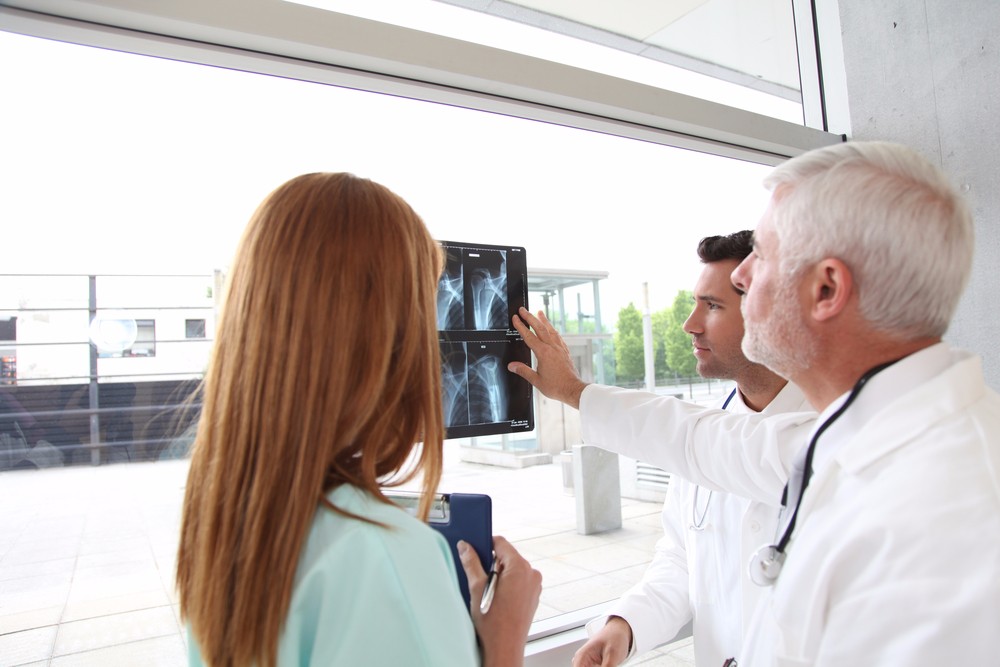
Treatment is individualized and planned by a multidisciplinary sarcoma team, including oncologists, orthopedic oncologists, surgeons, radiologists, and pathologists.
Surgery
Surgery is the main treatment for most sarcomas. Israeli surgeons prioritize limb-sparing and organ-preserving procedures, using advanced reconstruction techniques, bone grafts, and 3-D implants endoprostheses.
Chemotherapy
Chemotherapy is effective for certain sarcoma types, especially Ewing’s sarcoma and osteosarcoma. Commonly used drugs include:
- Doxorubicin (Adriamycin)
- Ifosfamide
- Cisplatin
- Methotrexate (high-dose)
- Etoposide
- Gemcitabine + Docetaxel (for selected soft tissue sarcomas)
Targeted Therapy (Modern Medicines)
- Targeted drugs are used based on tumor subtype and molecular profile:
- Pazopanib (Votrient) – soft tissue sarcoma
- Regorafenib (Stivarga) – refractory sarcomas
- Imatinib (Gleevec) – GIST and selected sarcomas
- Trabectedin (Yondelis) – advanced soft tissue sarcoma
- Eribulin (Halaven) – liposarcoma
Immunotherapy
Immunotherapy may be offered in selected cases or clinical trials:
- Pembrolizumab (Keytruda)
- Nivolumab (Opdivo)
Used mainly for specific sarcoma subtypes or advanced disease.
Radiation Therapy
- IMRT and stereotactic radiotherapy
- Proton therapy (in selected cases)
Radiation is often used before or after surgery to reduce recurrence risk.
Supportive and Bone-Protective Medications
- Bisphosphonates (Zoledronic acid)
- Denosumab (Xgeva)
Pain control and supportive therapies to improve quality of life
Prognosis
Prognosis depends on:
- Sarcoma type and grade
- Tumor size and location
- Presence of metastases
- Response to treatment
Early diagnosis and treatment in specialized sarcoma centers significantly improve outcomes and help preserve mobility and quality of life.